

Why Should Residents in Herkimer, NY Check Their Roof After a Storm?
Heavy rain, strong winds, hail, and occasional ice storms can put stress on rooftops, especially in regions like Herkimer, NY where seasonal storms are common. Checking for storm damage helps homeowners catch issues early—before leaks or structural problems worsen and result in costly repairs. Even if no obvious leaks are visible inside, subtle roof damage can still compromise your home.
What Are the First Signs of Roof Damage to Look For?
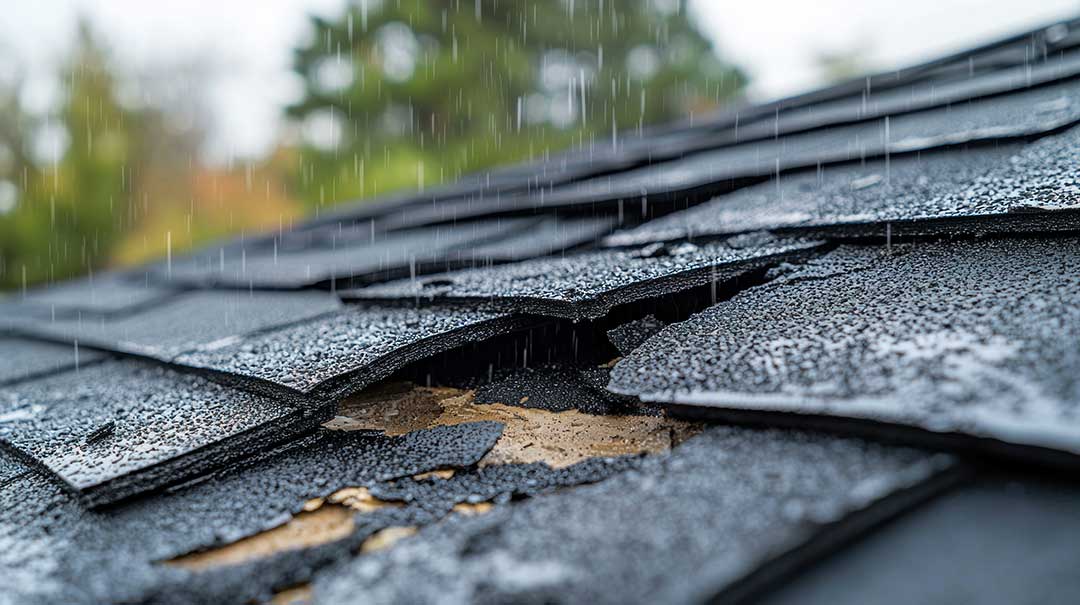
The most common signs of storm-related damage include missing shingles, visible dents, and debris buildup. After a significant storm, residents can look for:
- Shingles that are curled, cracked, or completely missing
- Pieces of roofing material or granules in gutters or on the ground
- Torn or dislodged flashing around chimneys, vents, or skylights
- Debris such as tree branches that may have scraped or punctured roofing
These indications often appear after high winds or falling branches, typical in Herkimer during late winter or early spring.
Is It Safe to Inspect the Roof Yourself?
A basic check from ground level and through the attic is generally safe for most homeowners. For pitched roofs or any situation where climbing may involve risk, using binoculars and staying on solid ground is recommended. Only inspect the rooftop directly if you have the proper safety equipment, experience, and stable conditions. In the community, many residents use visual checks from the yard following major storms, reserving ladder use for minimal situations.
Can Attic Spaces Reveal Hidden Roof Issues?
Spotting leaks from the inside can often be easier than expected. After a storm, entering the attic with a flashlight may reveal:
- Damp insulation, water stains, or drips on rafters
- Musty odors or soft patches in wood
- Light seeping through holes, especially around vents and flashing
Herkimer households with unfinished attics often spot these problems before leaks work through to living spaces.
How Do Gutters and Downspouts Indicate Roof Trouble?
Gutters and downspouts are among the first places to reveal storm impact. After debris from heavy rain or wind, check for:
- Clogs or overflow of leaves, twigs, or shingle grit
- Detached sections or sagging due to excess weight
- Granules (tiny gritty particles from asphalt shingles) in the bottom of gutters
Loss of shingle granules is a sign that roofing material is deteriorating—an issue worth monitoring in older homes common throughout the region.
What Local Weather Patterns Should Residents Watch For?
The area is prone to rapid freeze-thaw cycles, severe thunderstorms, and the occasional windstorm. These bring unique risks:
- Hail can dent metal roofing and break shingle bonds
- Ice dams form along cold roof eaves, forcing water behind shingles
- Strong winds can lift flashing and shingles along roof edges and ridges
Understanding local storm patterns can help residents anticipate which sections of the roof may have taken the brunt of a recent storm.
Are There Common Misconceptions About Post-Storm Roof Checks?
It’s often assumed that if no water is dripping indoors, the roof is fine. In reality, water may take weeks to work through insulation and drywall. Another misconception is that flat or low-sloped roofs are less at risk, but pooling water from heavy rainfall can still cause hidden leaks. Also, some residents expect storm damage to always be obvious—minor punctures or split shingles may not be easy to see without slow, careful examination.
What Steps Help Prevent Future Damage After a Storm?
Prompt checks and basic maintenance can extend the life of your roof:
- Clear debris from rooftops and gutters after every major storm
- Trim tree branches that hang close to the structure
- Secure loose flashing or vent covers before the next risky weather event
- Photograph damage for documentation in case further inspection or repairs are needed
While insurance claims are not always needed for minor issues, documenting changes over time provides helpful records for area households.
When Should a Resident Consider Professional Assessment?
If there’s visible sagging, more than one or two missing shingles, signs of structural distress, or any uncertainty about personal safety, it is wise to get help from someone with proper equipment and experience. Also, if you notice persistent leaks despite temporary fixes, additional evaluation is warranted to prevent mold growth or further water damage.
