

What Does Roof Pitch Mean?
Roof pitch describes the angle or steepness of a roof. Measured as the ratio of vertical rise to horizontal span (for example, a 6:12 pitch rises 6 inches for every 12 inches of run), this detail affects everything from water runoff to interior space.
In Herkimer, where cold winters and rainy springs can stress rooftops, understanding pitch helps homeowners and residents make informed decisions about maintenance, repair, and new construction.
Why Does Roof Pitch Matter in Herkimer?
Roof pitch shapes how effectively a roof manages precipitation and resists local weather challenges. Steeper roofs shed snow and rain faster, reducing the risk of leaks or ice dams.
In areas like Herkimer with cold, wet winters, roof pitch impacts multiple factors:
- Snow Load: Flatter roofs collect more snow, which can lead to heavy accumulation and possible structural strain.
- Water Drainage: Adequate pitch improves water flow, helping prevent pooling, leaks, or water intrusion.
- Longevity: Well-chosen pitch lessens the burden on roofing materials, potentially extending roof life.
How Is Roof Pitch Measured and Expressed?
Roof pitch is commonly shown as a fraction or by “X-in-12” notation. For example, a pitch of 4:12 means the roof rises four inches for every foot across.
You can estimate pitch using a level and a tape measure from your attic space or roof edge, but safety is critical; climbing on a roof can be dangerous and is not recommended during wet, icy, or windy conditions.
Common Roof Pitches on Area Homes
Most homes in Herkimer feature moderate to steep roofs, often between 4:12 and 8:12 pitch. Historic homes might have steeper pitches, while modern ranch houses or porches sometimes use gentler slopes.
Below are typical pitches encountered locally:
- 3:12 to 4:12 – Low pitch, often found on porches or additions.
- 5:12 to 6:12 – Medium pitch, common on many single-family homes.
- 7:12 and higher – Steep pitch, frequently seen on older, historic, or Victorian-era properties.
What Factors Influence Ideal Pitch for Homes in This Area?
The area’s seasonal snowfall and rainfall are key influences. A steeper pitch is generally preferred for efficiently moving snow and rain off the surface. Other factors include:
- Roofing materials (e.g., asphalt shingles require moderate pitch for optimal performance)
- Architectural style
- Local building codes
- Attic space or usable upper story needs
Some flat- or low-slope roofs (under 3:12) require specific waterproofing methods not typical for higher pitches.
How Does Pitch Affect Energy Efficiency and Interior Space?
Steep roofs provide more attic volume, which can improve ventilation and allow more insulation above living spaces—a valuable benefit in climates with temperature swings. Lower pitches result in less usable attic space but can be more economical to build.
However, local energy efficiency depends on several variables:
- Proper attic insulation and ventilation
- Roof color and material reflectivity
- Sun exposure for the particular home’s orientation
No single pitch universally guarantees lower bills, but coordinating insulation, materials, and pitch helps optimize comfort and costs for area households.
Are Some Roofing Materials Better for Different Pitches?
Yes, roofing material suitability varies:
- Asphalt shingles: Work best above a 4:12 pitch.
- Metal panels: Can perform well on both low- and steep-slope roofs.
- Membranes (e.g., EPDM, TPO): Required for very low or flat roofs.
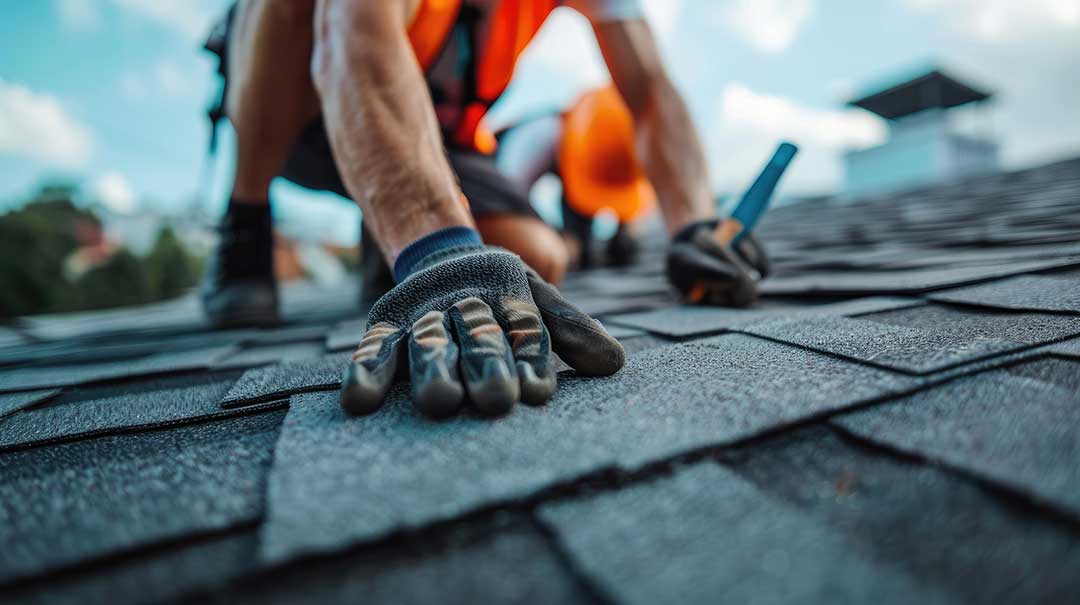
Selecting the wrong material for a given pitch can cause leaks or premature wear, especially with Herkimer’s freeze-thaw cycles.
Common Misconceptions About Roof Pitch
Some local misconceptions include:
- “Flatter roofs are always cheaper.” Flat roofs may save on initial structure, but often cost more for waterproofing and require more frequent maintenance.
- “A steeper roof always protects better.” While a steep pitch sheds snow well, it may not be necessary for all home types and can complicate gutter maintenance or increase wind exposure.
- “Pitch doesn’t matter if the roof is new.” Even new installations can suffer if the material and pitch are mismatched.
What Should Residents Consider When Planning Roof Repairs or Replacement?
Local homeowners should check their roof’s pitch when assessing repairs:
- Ensure materials match the roof’s existing angle.
- Consider snow and water management over appearance alone.
- Review local code requirements, particularly if changing roof structure or materials.
- Evaluate attic insulation and ventilation during any major roofing work.
Older homes or those with unusual roof lines may need special attention to pitch and support, especially after heavy snow years.
When Does Roof Pitch Require Expert Attention?
Altering a home’s roof pitch or working on a roof with significant slope can involve complex structural and safety considerations. Major modifications—such as changing a flat roof to a steep one—fall under building regulations and usually require review by local authorities to ensure structural safety and compliance.
Inspections and advice from qualified professionals are necessary if you suspect structural issues, such as:
- Bowing or sagging rafters
- Persistent leaks
- Unusual accumulation of snow or ice on flatter areas
