
Why Do Tree Limbs Matter for Roof Health in Herkimer, NY?
Tree limbs that stretch over rooftops are a familiar sight for many area households, given the leafy neighborhoods and mature trees found around Herkimer, NY. While they can add shade and character to yards, these overhanging branches can also create a range of issues for residential roofing. Homeowners often wonder whether nearby branches are a real risk or more of a minor nuisance. In reality, even small, seemingly harmless limbs can introduce both short-term and long-term problems, particularly in the local climate.
Herkimer experiences windy autumns, heavy spring rains, and icy winters—all factors that can worsen the impact tree limbs have on roofing materials. By understanding these risks, residents can make better decisions about their trees and protect their homes more effectively.
How Do Overhanging Branches Damage Roofs?
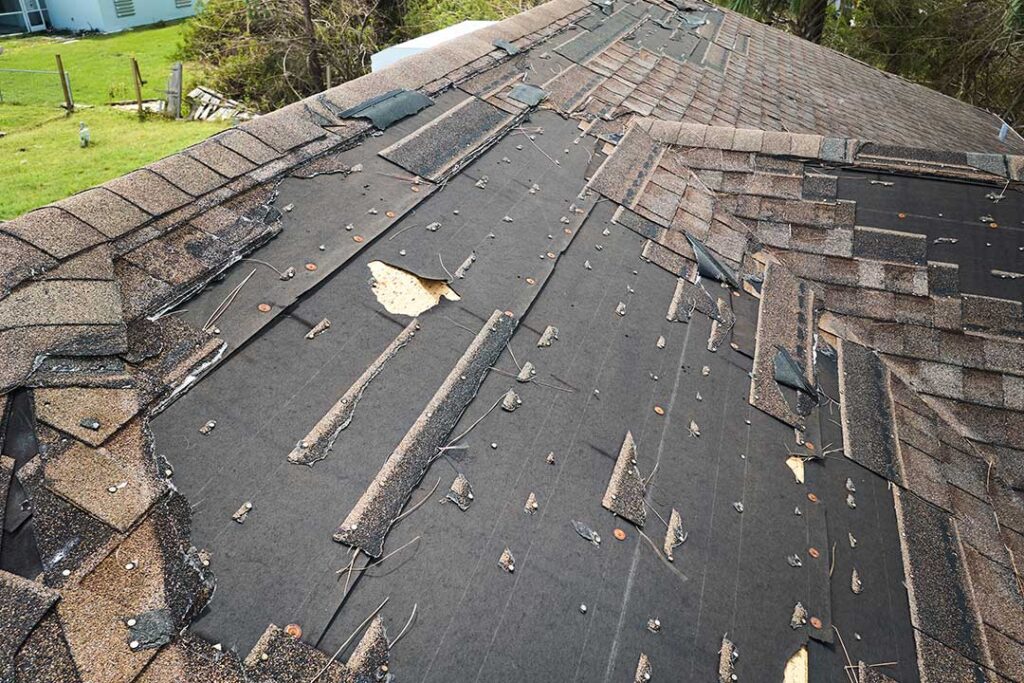
Overhanging branches pose several risks to local roofs, especially during Herkimer’s changing seasons. Direct contact is one of the most common problems. As branches sway in the wind or under the weight of snow, they can brush repeatedly against roofing shingles or metal, wearing away protective layers over time.
Some specific issues caused by overhanging tree limbs include:
- Abrasion from regular branch movement, which loosens or removes shingle granules.
- Direct impact during storms can crack or dislodge roofing materials.
- Accumulated debris, including leaves and twigs, can trap moisture on the roof surface.
Additionally, during ice storms—which are not uncommon in the area—snow and ice can weigh down limbs until they snap, leading to sudden, more severe damage.
Can Tree Limbs Cause Roof Leaks?
Yes, overhanging branches are a frequent cause of leaks. When contact with the roof surface weakens or lifts shingles, water can seep in during heavy rain or snowmelt. Wet leaves and twigs left to decompose also hold moisture against the surface, raising the risk of water intrusion through small cracks or nail holes.
In Herkimer, the freeze-thaw cycle can make this worse. Water that gets under loose shingles will freeze and expand overnight, enlarging openings and creating a path for future leaks. Even modest tree debris buildup in gutters or roof valleys blocks proper drainage, which can cause standing water to linger and eventually lead to leaks.
What About Moss, Algae, and Mold?
Shaded roofs created by dense tree cover tend to retain more moisture than those exposed to regular sunlight. In Herkimer’s humid summers, this excess moisture turns rooftops into a comfortable home for moss, algae, and mold. These growths are more than a cosmetic concern—they can trap still more moisture, degrade roofing materials, and contribute to slippery surfaces.
Rapid moss growth is often seen on homes with branches directly above the roofline. In addition to looking untidy, moss roots can lift or break down shingles, boosting the risk of water entering the structure.
Does Insurance Cover Tree-Related Roof Damage?
Homeowners insurance often covers sudden damage from falling tree limbs, such as after a heavy storm or winter ice event, but doesn’t usually pay for gradual wear and tear caused by smaller branches rubbing against a roof. In Herkimer, local residents are encouraged to review their policies and inspect for exclusions tied to neglect or lack of preventative maintenance.
Insurers may deny claims related to preventable issues, such as accumulated debris or ongoing abrasion. Keeping tree limbs trimmed back—ideally clear of the roof by several feet—can help both avoid damage and improve the chances of insurance covering unexpected incidents.
Which Parts of the Roof Are Most at Risk?
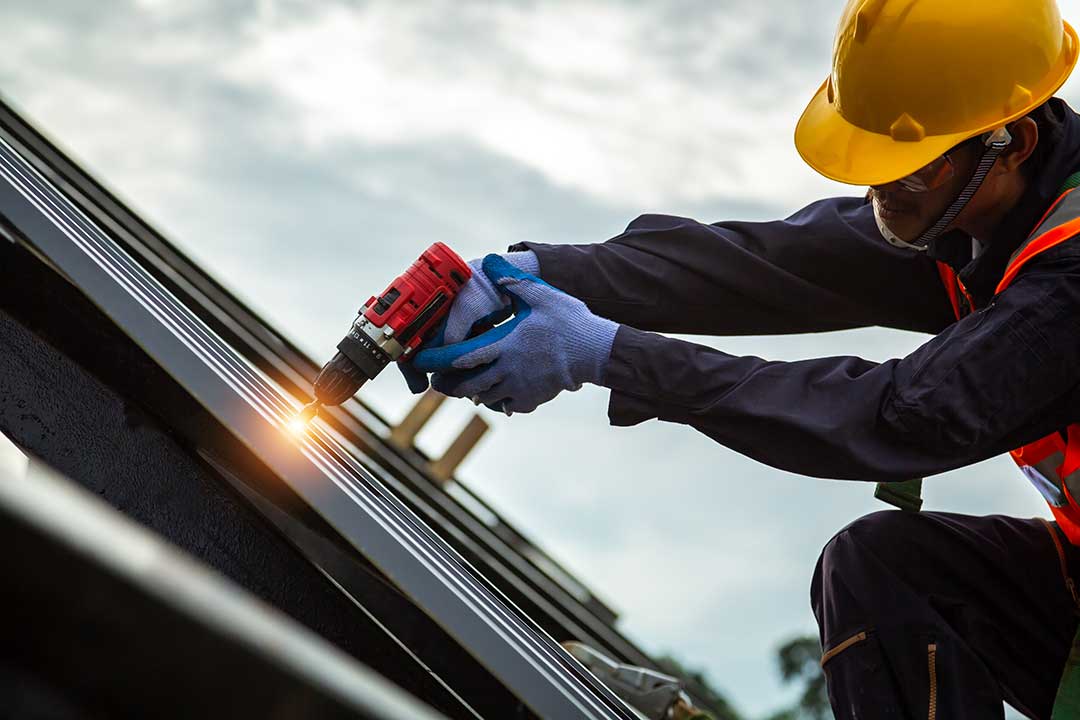
Roofs with lower pitches, roof valleys, and areas near gutters are often more vulnerable to problems caused by tree limbs, since debris is more likely to collect and moisture has a harder time draining away. In Herkimer neighborhoods with older homes and mature landscaping, eaves and roof ridges frequently show early signs of branch-related wear.
Soffits, flashing, and gutters themselves are other common trouble spots. Leaves drop directly into gutter channels, while twigs and seed pods can pile up at drain openings, forcing water to back up under shingles at the roof edge.
Should All Overhanging Limbs Be Removed?
Not every branch over a roof needs immediate removal, but regular assessment is wise. High, thin limbs that never touch the roof are less urgent, while thick, low-hanging branches or those showing decay are higher-priority risks. In Herkimer, where late-season ice storms can put extra strain on older trees, prioritizing healthy clearance is especially important for preventing sudden structural damage.
Routine, careful trimming can encourage trees to grow away from rooftops, reducing both mechanical damage and the buildup of organic debris. However, extremely large or challenging limbs—especially those close to power lines or positioned over steep roofs—should only be tackled by those with proper training and equipment to avoid injury or property damage.
What Maintenance Helps Protect Roofs from Tree Limb Issues?
Consistent, seasonal roof inspections from the ground and safe removal of leaves or small twigs makes a meaningful difference. Area households can reduce risks by:
- Clearing debris from roofs and gutters each spring and fall
- Looking for areas where tree branches are within a few feet of the roofline
- Pruning back fast-growing or brittle limbs before storms or winter weather
- Monitoring for early signs of moss, algae, or water stains on attic ceilings
For neighbors in Herkimer, a walk around the yard after a storm or windy day helps reveal newly fallen limbs, broken branches, or places where debris has started to accumulate. Timely action can keep small problems from developing into expensive repairs, especially during peak seasonal changes.
