
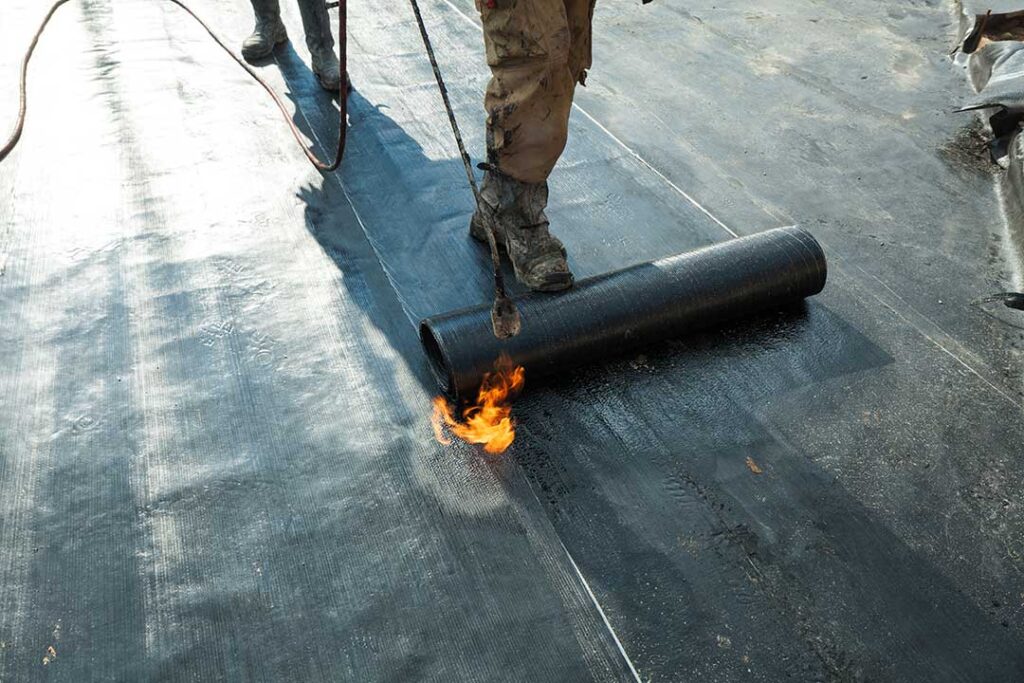
Shingle curling and cracking are common signs that an asphalt-shingle roof is aging or reacting to moisture, temperature changes, installation problems, or poor ventilation. Some damage can be monitored or repaired, while widespread deterioration usually means the roof’s protective service life is nearing its end.
What do curling and cracked shingles mean?
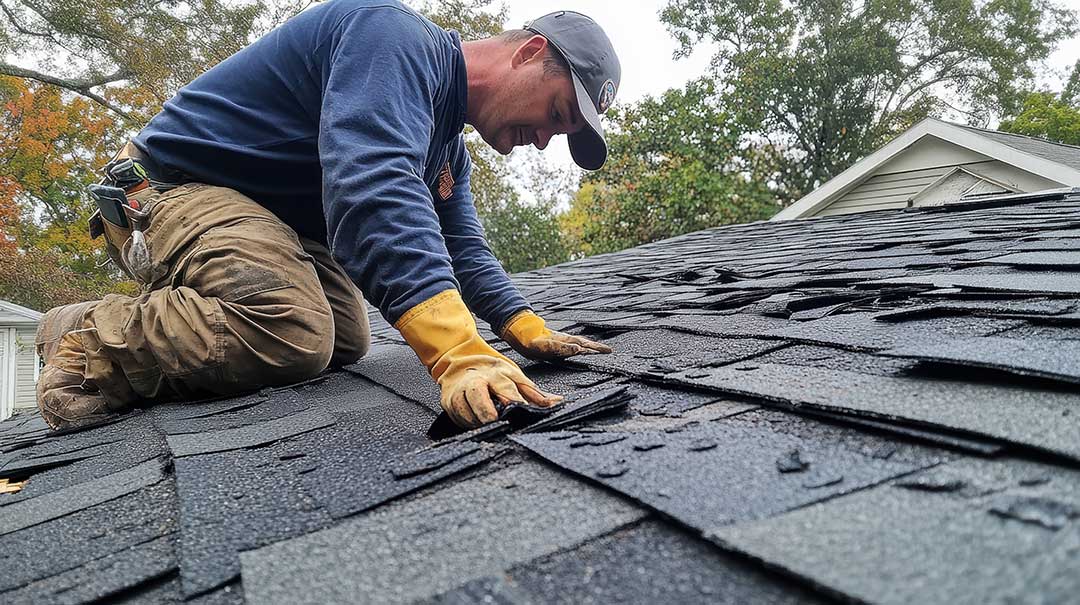
Curling occurs when the edges or corners of shingles lift away from the roof surface. Cracking appears as splits through the shingle surface, often running vertically or following a pattern across several shingles.
These conditions are not always an immediate emergency, but they reduce the roof’s ability to shed water. A curled edge can catch wind, while a crack may allow moisture to reach the underlayment or roof decking.
Common signs include:
- Corners that turn upward or downward
- Shingles that look wavy, brittle, or uneven
- Long splits across the exposed portion of a shingle
- Dark areas where protective granules have worn away
- Granules collecting in gutters or near downspout outlets
- Exposed fasteners or areas where shingles have pulled loose
- Water stains in attics, ceilings, or upper-floor walls
A few isolated damaged shingles may have a limited effect. Curling and cracking spread across multiple roof sections deserve closer attention.
Why do shingles curl and crack?
Age is one of the most common causes. Asphalt shingles gradually lose flexibility as their oils and reinforcing materials break down. Once shingles become brittle, they respond poorly to wind, ice, snow, and repeated temperature changes.
Weather is another major factor. In Herkimer, roofs may experience hot summer sun, freezing winter conditions, snow accumulation, ice formation, and repeated thawing. These cycles can place stress on shingles and the fasteners holding them in place.
Other possible causes include:
Poor attic ventilation
An attic that cannot release heat and moisture may become excessively hot in summer and damp during winter. High heat can accelerate shingle aging, while trapped moisture can contribute to problems with roof decking, insulation, and fasteners.
Ventilation is not simply a matter of adding more vents. Intake and exhaust openings need to work together, and vents should not be blocked by insulation. Bathroom and kitchen exhaust should also discharge outdoors rather than into the attic.
Improper installation
Shingles may curl or crack prematurely if they were installed over an uneven surface, fastened incorrectly, placed too close to the roof edge, or applied under unsuitable weather conditions. Missing starter shingles, poor alignment, and inadequate sealing can also leave sections vulnerable to wind.
Manufacturing defects
Occasionally, shingles develop unusual cracking or premature failure that is not explained by age or local weather. If the same defect appears across many shingles from the same installation, documentation may be useful for determining whether a product issue is involved.
Re-roofing over an unsuitable surface
A new layer of shingles installed over old, damaged, or uneven material may not lie flat. Uneven support can cause stress points, visible ridges, and accelerated wear.
Can curled shingles be repaired?
Sometimes. Repair is more reasonable when the damage is limited to a small number of shingles and the surrounding roof remains flexible, well-sealed, and free from widespread granule loss.
A limited repair may involve replacing individual shingles, securing a lifted tab, or renewing a small section around a damaged flashing detail. Adhesive may help hold a loose tab temporarily, but it does not restore brittle shingles or correct an underlying ventilation or installation problem.
Roof work becomes hazardous when surfaces are steep, wet, icy, snow-covered, or difficult to access. Walking on brittle shingles can create additional damage. Anyone inspecting from the ground should use binoculars rather than climbing onto the roof unnecessarily.
When is replacement more practical than repair?
Replacement is generally more appropriate when curling or cracking affects a broad area, appears on multiple roof slopes, or is accompanied by other signs of deterioration.
Warning signs include:
- Shingles cracking in rows or across an entire slope
- Widespread curling at the edges and corners
- Bare patches caused by major granule loss
- Repeated leaks after previous repairs
- Soft, sagging, or visibly uneven roof areas
- Rusted or exposed fasteners
- Water damage in the attic or roof decking
- Shingles that break when gently flexed during authorized inspection
A roof can still look acceptable from the ground while its sealing strips and underlying materials have deteriorated. Age alone does not determine condition, but a roof near the later part of its expected service life deserves more frequent inspection, especially after severe winter weather or strong wind.
What should residents check after winter?
After snow and ice have cleared, inspect the roof from ground level and check accessible attic areas. Look for displaced shingles, damaged flashing, fallen granules, and signs of moisture.
Inside the attic, pay attention to:
- Damp insulation
- Darkened or stained wood
- Musty odors
- Daylight visible through the roof deck, apart from intentional vents
- Frost or condensation on nails
- Water trails near valleys, chimneys, vents, or roof-wall intersections
A roof leak may not appear directly below the damaged shingle. Water can travel along decking, rafters, or insulation before reaching a ceiling. A small interior stain can therefore correspond to damage several feet away.
Snow guards, ice-dam cables, or other winter measures may be useful in certain buildings, but they do not repair curled or cracked shingles. Ice buildup is often connected to heat loss and attic conditions, so the underlying cause should be considered rather than treating only the visible ice.
Are curled shingles always caused by age?
No. Premature curling can result from installation conditions, inadequate ventilation, manufacturing problems, or repeated exposure to unusual moisture and heat. The pattern of damage can provide clues.
For example, uniform curling across one roof slope may suggest sun exposure or ventilation differences. Damage concentrated near eaves may relate to ice, water backup, or edge installation. Cracking around penetrations may point to flashing movement or localized stress.
Photographs taken from the ground, records of past repairs, and the approximate installation date can help identify patterns. Avoid pulling on shingles or lifting roofing materials to investigate, since that can turn a manageable defect into a leak.
How can further damage be limited?
The most useful prevention steps are basic maintenance and timely observation:
- Keep gutters and downspouts clear so water can drain away from roof edges.
- Trim branches that rub against shingles or drop heavy debris.
- Check attic ventilation and make sure insulation does not block intended intake paths.
- Inspect flashing around chimneys, vents, skylights, and roof-wall transitions.
- Remove leaves and debris that remain trapped in valleys.
- Avoid pressure washing or harsh cleaning methods that strip protective granules.
- Do not walk on the roof unless the surface and conditions are safe.
- Photograph visible damage after major wind, hail, snow, or ice events.
If active water is entering the home, place a container under the drip, move belongings away from the area, and avoid electrical fixtures near moisture. Roof areas that are sagging, heavily leaking, or affected by falling materials require prompt attention because the risk extends beyond shingle damage.
Curling and cracking are best understood as condition clues rather than isolated cosmetic flaws. A careful inspection should determine whether the problem is limited, caused by a specific defect, or part of broader roof-system deterioration.
