
What Are the Key Winter Roof Risks in Herkimer, NY?
Winters in Herkimer, NY present persistent challenges for residential roofs. Heavy snow, recurring freeze-thaw cycles, ice dam formation, and strong winds can weaken even well-built structures. Roofs in this region commonly endure lengthy snow coverage, while older or previously repaired roofs may reveal vulnerabilities as conditions worsen.
Understanding local risk factors before the first significant snowfall can help prevent common issues such as leaks, damaged shingles, or gutter backups. Unlike regions with milder climates, Herkimer households need to anticipate extended periods where snow and ice place steady, uneven weight on homes.
How Should Roofs Be Inspected Before Winter?
Inspecting a roof for winter in Herkimer starts with a visual scan from the ground, followed by a closer look if conditions allow. Early intervention is more manageable, and danger is minimized before icy conditions set in.
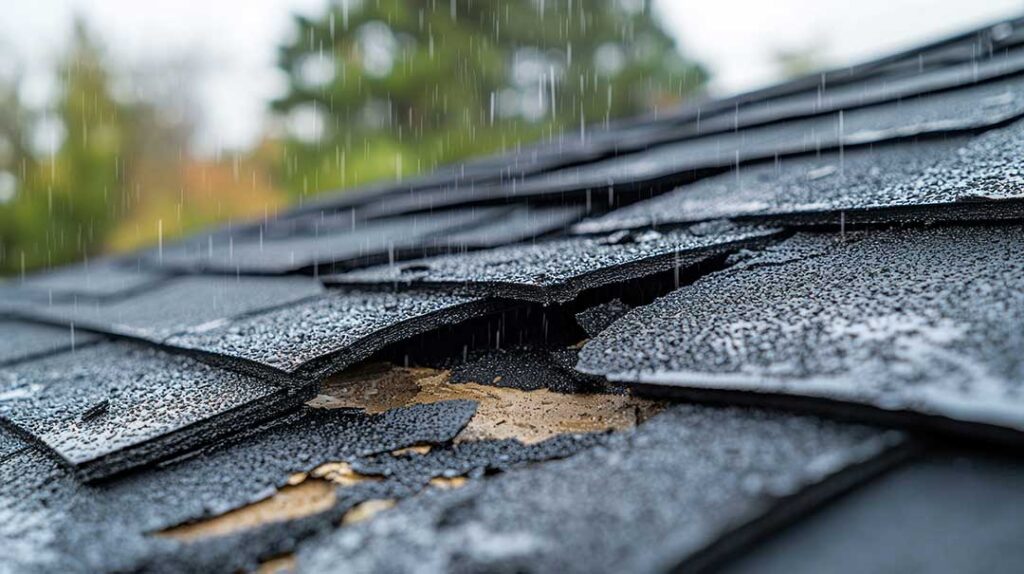
- Look for missing, warped, or damaged shingles, especially on roof edges and areas prone to drifting snow.
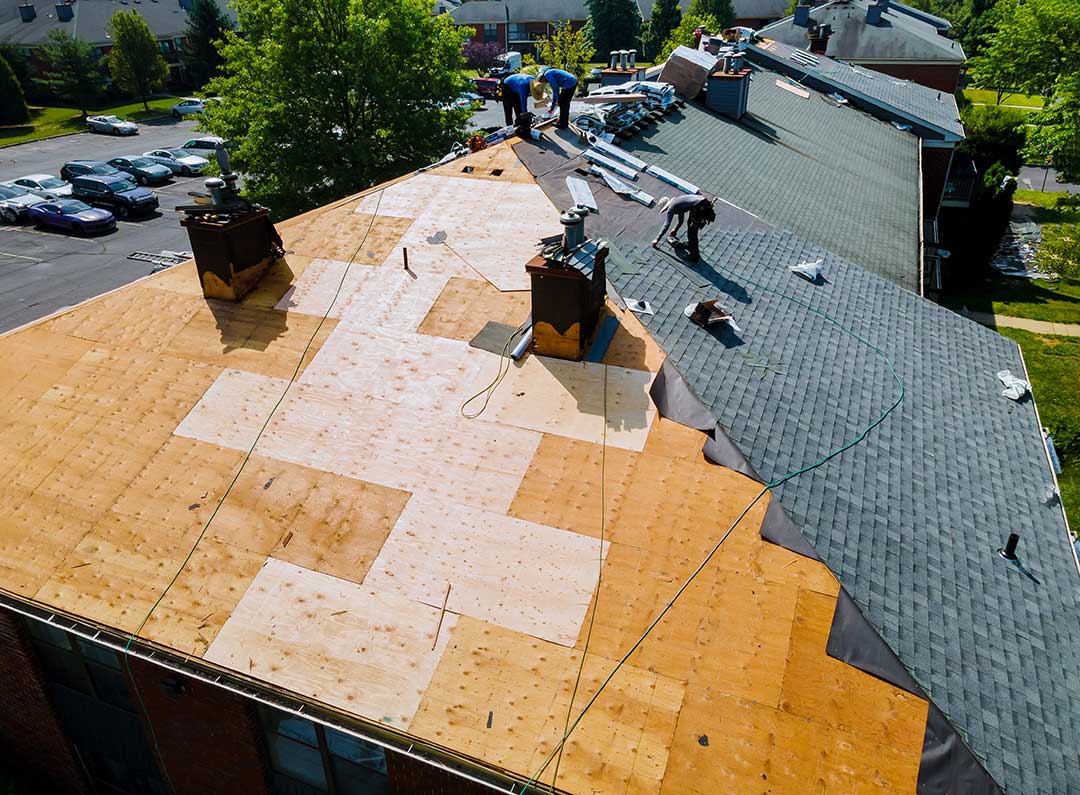
- Examine flashing around chimneys, vent pipes, and roof valleys for signs of deterioration or gaps.
- Assess roof valleys and low slopes, as these collect the most runoff and snow buildup.
- Inspect the underside from your attic for signs of water staining, sagging, or daylight showing through boards.
Residents with steep roofs or multi-story homes should avoid climbing ladders themselves. Use binoculars or enlist a household member if needed for a safer view, but prioritize safety above thoroughness. Any findings of large gaps, sagging, or obvious damage deserve a closer look before snowfall arrives.
How Do You Remove Leaves, Branches, and Debris from the Roof and Gutters?
Clearing roof surfaces and gutters is essential in Herkimer, where autumn winds drop extra tree debris onto roofs. Clogged gutters cause meltwater overflows, while debris on shingles traps moisture and encourages moss or rot.
- Use a stable ladder on dry ground to remove leaves and branches from gutters and roof edges.
- Employ a gutter scoop, gloved hands, or a small garden trowel for stubborn clogs.
- Flush gutters and downspouts with a garden hose after debris is cleared—watch for proper drainage away from your foundation.
- Remove visible piles of debris from the roof, either by hand (using fall protection on steep roofs) or with a roof rake if snowfall has already started.
It's vital to finish this job before repeated freezes, as ice and frozen leaves make later removal risky and often impossible until spring.
What Should Be Done About Small Leaks or Damaged Shingles?
Even a minor leak in fall can become a major problem after a Herkimer winter storm. Addressing damaged shingles or small leaks before temperatures drop limits water intrusion and reduces the risk of larger repairs.
- Temporarily patch small holes or cracked shingles with roofing cement on warmer days.
- Replace missing or badly curled shingles if possible, using matching materials.
- For leaks visible from inside (such as attic damp spots), trace the source outdoors and apply a temporary patch, then monitor during the next rain or melt.
- Be cautious with aggressive solutions—overapplying sealant or nailing down loose shingles without proper placement can sometimes trap water, creating worse problems later.
If damage is hard to reach or extensive, focus on managing interior water until more comprehensive repairs are feasible.
How Can You Prevent Ice Dams in Herkimer Homes?
Ice dams are a frequent concern in Herkimer when daytime snowmelt refreezes at a roof’s edge. They form barriers that trap meltwater, potentially pushing it under shingles and into ceilings or walls.
- Insulate attics thoroughly to maintain an even roof temperature and prevent warm air from escaping.
- Seal gaps around attic access, plumbing vent pipes, lighting fixtures, and chimneys to reduce heat loss.
- Ensure attic ventilation is unobstructed, allowing cold air to circulate and snow to melt evenly.
- Rake snow from roof eaves after heavy falls using a long-handled roof rake, minimizing buildup before repeated thaws.
It’s a misconception that simply adding heat cables at the edge will fix the problem—without proper insulation and ventilation, ice dams tend to return yearly.
Are There Roof Areas or Features That Need Special Attention?
Certain roof details in Herkimer require closer inspection due to frequent snow drift and accumulation.
- Check the intersection where roof slopes meet walls or dormers, as these can create ice traps.
- Valleys (where two roof sections meet) often channel the most runoff; make sure they are clear of debris and have no cracked flashing.
- Flat or gently sloped porch roofs are especially vulnerable to snow weight—watch for signs of sagging or water ponding.
Pay attention to solar panels, satellite dishes, or skylights. Snow drifting around these features is often left uncleared, potentially causing leaks or cracks when the snow shifts.
What Should Herkimer Households Know About Snow Load and Safe Snow Removal?
While many roofs in Herkimer are built to withstand local snow loads, stress from repeated storms or compacted snow can cause structural problems. Awareness of weight limits and removal techniques protects both your roof and safety.
- Use a roof rake to gently pull snow down the roof—always work from the ground and avoid pulling chunks sideways or upward.
- Never chip at ice dams directly; this risks shingle damage and personal injury.
- Remove excessive snow when buildup exceeds 6-12 inches, especially on low slopes, porches, or additions.
- Watch for signs of overloading: cracking noises, new interior wall cracks, or doors sticking. These may indicate the roof is straining under weight.
Consider leaving some snow on the roof for insulation, but prioritize heavily drifted or compacted areas after storms.
How Do Local Weather Patterns and Housing Styles Affect Roof Preparation?
Herkimer winters are characterized by long periods of below-freezing temperatures, frequent freeze-thaw cycles, and occasional ice storms. Homes with older construction, minimal attic insulation, or complex rooflines tend to need additional winterization efforts.
- Houses surrounded by tall trees face more accumulated debris and risk of branch damage; regular clearing is crucial.
- Larger homes or those with attached garages often feature multiple roof angles, making some sections more prone to leaks or snow drifts.
- Brick chimneys and vent stacks are common entry points for water in this area; flashing and mortar should be carefully checked each autumn.
Residents should also check for local regulations or guidance, especially if residing in a historic district or flood-prone area where roof changes are restricted.
