
How Does Sunlight Affect Roofs in Herkimer, NY?
Roofs in Herkimer, NY are exposed to a full range of seasonal weather, including many days of bright sunshine from late spring through early fall. Sunlight is a significant factor in roof wear and can gradually weaken materials over years of exposure. Residents often notice fading, curling shingles, or brittle flashing—issues that sunlight can cause or accelerate.
What Happens to Roofing Materials When Exposed to UV Rays?
Ultraviolet (UV) rays from the sun break down roofing materials at a molecular level. For asphalt shingles, this process leads to a loss of flexibility, surface granules, and weatherproofing. Over time, roofs lose their protective qualities, making them less able to shed water and resist local weather. Metal and wood roofs also experience changes:
- Metal roofs may fade, chalk, or even corrode faster.
- Wood shakes and shingles can dry out, crack, or split.
In the Herkimer climate, where temperature shifts are frequent, the daily expansion and contraction caused by the sun’s heat can accelerate these problems.
Does Sun Damage Vary in Different Parts of Herkimer Homes?
The angle of the sun, roof pitch, and the presence or absence of shade all affect how much sunlight a roof receives. Roof sections that face south or west usually take on the most intense sun in this region. Over time, these areas show wear more quickly—look for earlier fading or curling in higher-exposure spots.
Homes with many surrounding trees tend to have roofs that last a bit longer due to the protective shade, especially in older neighborhoods with mature foliage. However, heavy shade also brings its own set of moisture-related roof challenges.
How Does Sunlight Combine With Herkimer Weather to Impact Roofs?
In Herkimer, snow and rain are frequent for much of the year. After periods of rain or snowmelt, sunlight dries roofs out rapidly. While this helps prevent mold or moss, it also causes shingles to expand and contract, especially after a heavy spring rain followed by a sunny afternoon. This cycle can hasten cracking and granule loss in shingles or create gaps where water can eventually seep in.
Freeze-thaw cycles are common in this region, and when combined with ongoing sunlight exposure, these fluctuations intensify stress on roofing materials. Even well-installed roofs can show premature wear on the sunniest sides due to these repeated changes.
Are Some Roof Types Better at Withstanding Sun Exposure?
Each roofing material handles sunlight differently:
- Asphalt shingles—the most common style in the area—tend to fade and lose granules, with lighter colors usually holding up somewhat better
- Metal roofs can reflect more sunlight and stay cooler, but risk paint fade or surface breakdown without proper coatings
- Clay tiles, while rare in local homes, are more UV-tolerant but are heavier and can be more vulnerable to winter ice loads
- Synthetic or composite shingles often resist UV better than traditional asphalt but can still become brittle as they age
Choosing the right roofing color and material is one way that residents can extend roof lifespan, but all materials will eventually feel the effects of years of sun.
What Signs Suggest That Sun Exposure Is Aging a Roof?
Sun-damaged roofs often develop:
- Shingle fading or patchy color
- Curling, cracking, or brittle edges, especially on the sunniest sides
- Loss of the rough, gritty texture on shingle surfaces (granule loss)
- Blistering or bubble-like marks
- Metal roofs might show oxidation, chalky surfaces, or faded paint
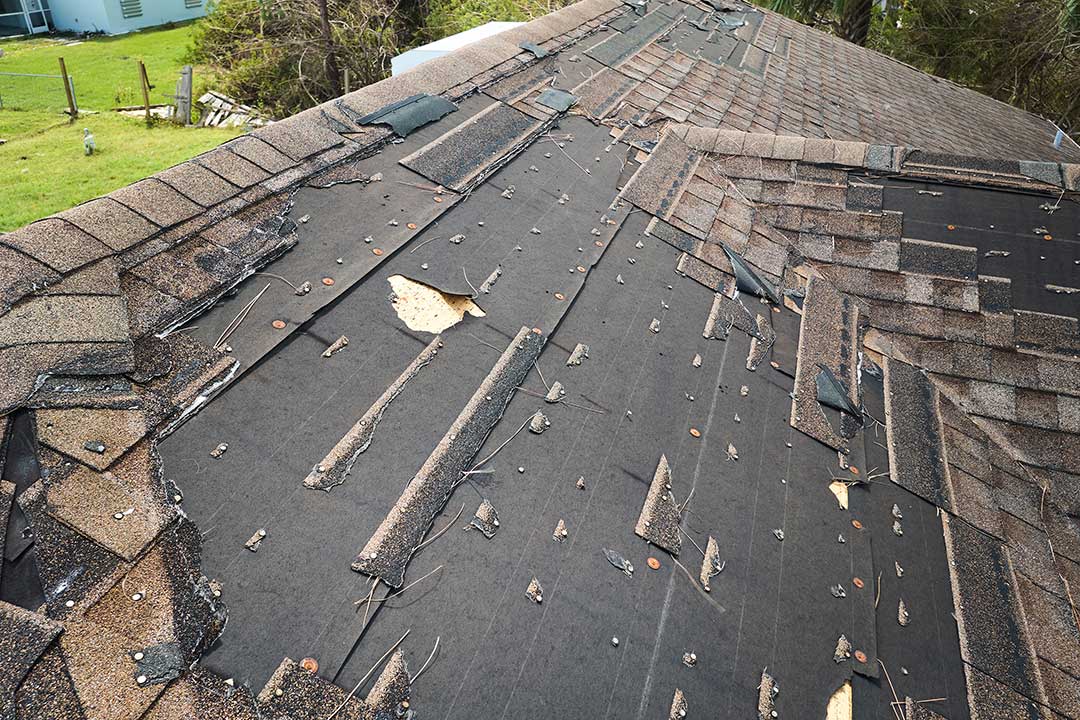
Residents may notice that certain roof sections appear older or more worn-out, particularly those without shade from trees or neighboring structures.
Can Residents Reduce the Effects of Sun on Their Roof?
There’s no way to eliminate sun exposure for roofs in this region, but local homeowners can slow its effects:
- Keep gutters and downspouts clean to avoid water pooling, which can combine with heat for faster roof deterioration
- Trim nearby trees for balanced sun and shade—not too much shade to invite moss, not too little to expose every surface
- Choose light-colored roofing if replacing or repairing, as these reflect more sunlight and retain less heat
- Check attic ventilation—roofs that stay cooler underneath age more slowly
- Inspect regularly, especially at the end of summer, to catch early signs of sun-related wear
Routine observation makes it easier to spot sun damage in its initial stages, giving area households time to consider repairs before problems worsen.
What Common Misconceptions Do People Have About Sunlight and Roofs?
A common belief in the community is that roofs only fail due to storms, ice, or direct impacts. In reality, ordinary daily sun has a subtle yet persistent effect. Some also suppose that darker shingles will better endure local winters, but these typically age faster from sun exposure than lighter colors.
Another common oversight is ignoring the importance of attic insulation and ventilation; roofs without proper air circulation below the surface tend to overheat, leading to warping or splitting from the inside out, even during moderate local summers.
